
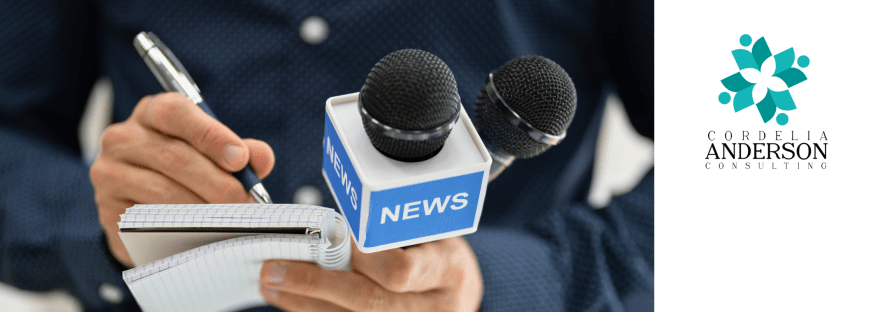
If you’ve ever tried to earn media coverage for your library, you already know: publicity doesn’t happen by accident. It takes intention, relationship-building, and a smart pitch that makes it easy for a reporter to say yes.
These tips come from my upcoming training, Positive Media Outreach, where I dive into how libraries can build trust with journalists and become a go-to resource for community stories. Here’s a sneak peek at one of the more practical parts of the session —7 tips for getting media coverage for libraries.
1. Let the reporter be the hero
Most pitches sound like:
“We want media coverage for our event.”
Instead, shift the focus to how you can help them shine.
Try:
“You recently covered local authors — our festival next week features six writers available for interviews.”
Reporters are evaluated on whether their stories are timely, relevant, and visually interesting. Help them look great to their editor or producer.
2. Lead with a story, not statistics
Libraries have the data — but reporters need the humans. Ask yourself:
- Who is the person or group at the heart of this story?
- Why now?
- What’s at stake?
Example:
“A teen volunteer wrote a book during summer break — and she’s debuting it at the library.”
People connect with stories. Data can support the story, but the story comes first.
3. Make saying “yes” effortless
Reporters are stretched thin. Remove extra steps for them. Offer:
- A quick interview (in person or via Zoom)
- B-roll opportunities — video of the space, computers, browsing patrons (with permission)
- Pre-written answers to their questions
Example language:
“We can have the author available for a 10-minute Zoom interview this afternoon, and we’ll reserve space for your camera crew.”
Convenience = coverage.
4. Be a solution to their problem
Reporters are often looking for:
- A topical story tied to current events
- A quiet location to record
- A visually interesting backdrop
- A neutral community space
Libraries can offer all three. Next time you’re pitching, consider how you can make the reporter’s job easier — not just how they can benefit you. Which relates directly to the next tip.
5. Pitch the library as a backdrop for non-library stories
The library doesn’t always need to be the story to be part of the story. Examples:
- Housing application deadline → “People are using library computers to apply.”
- Tax season → “Residents are filing taxes at the library.”
- Heat wave → “Library serves as a cooling center.”
You become relevant without forcing the narrative.
6. Have your media toolkit ready
Before you pitch, gather:
- A short “blurb” summarizing the story
- A media-trained spokesperson
- Photos or b-roll options
- A URL where audiences can learn more
The faster you can respond, the more liekly your story will air.
7. Follow up (briefly and politely)
If you don’t hear back:
- If your pitch isn’t time sensitive, give them a week or so before following up. You never know when they are busy, or another story falls through and they suddenly have a gap.
- If your pitch is time sensitive, follow up sooner without being too pushy. “Wanted to make sure you didn’t miss this opportunity.”
- Try direct messaging them on social media instead – they may check that more frequently.
- Send a short follow-up:
“Just checking in — happy to hold time for an interview.”
Persistence is appreciated when paired with professionalism and value.
And when the media calls you first?
Pause. Breathe. Gather just a few key details:
- Name
- Best contact method
- Topic / angle of the story
- Deadline
You can always say,
“Let me confirm those details and call you right back.”
Then — offer value. Help them get what they need, even if the answer isn’t in-house. Being consistently useful builds trust, which leads to more coverage in the future.
Final thought: media outreach is relationship-building
Pitching is not about publicity — it’s about partnership.
When libraries position themselves as:
- Reliable
- Responsive
- Helpful
…reporters quickly learn they can count on you.
That’s when the shift happens from
“We’re trying to get media coverage,”
to
“The media calls us.”
Want more?
This post is just one section of my upcoming presentation:
Positive Media Outreach: Understanding and Building Relationships with Local Media
In it, share:
- How to identify the right outlets and reporters
- Sample outreach emails and social media language
- Practical ways to position your library as a resource
I’m delivering it for Library Journal this month, but I could also deliver it for you!

 Cordelia Anderson Consulting